
In 2025, we took significant steps to scale our work across our core pillars of capacity building, implementation and policy. We expanded into new geographies, built relationships with new communities, partnered with new funders and extended our work into emerging thematic areas at the intersection of mental health and social, economic and cultural contexts.
The year generated important insights and learnings that continue to shape our approach. As we look ahead to 2026, we remain focused on growth that is grounded in community needs and guided by evidence and equity. Together, these highlights offer a snapshot of where we have been and how these experiences shape the path ahead.
Annual Report of CMHLP 2025 – At a Glance
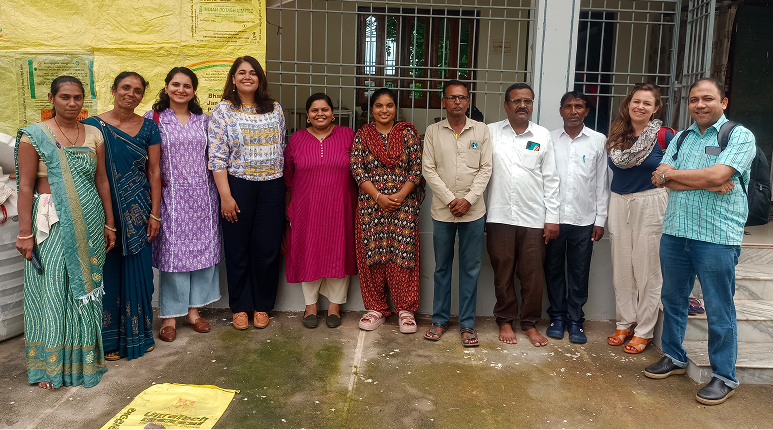
This year marked a significant step we partnered with Queen Mary University of London, Newham Council, East London NHS Foundation Trust, and Newham Community Project, to adapt and pilot our homegrown Atmiyata intervention in East London.
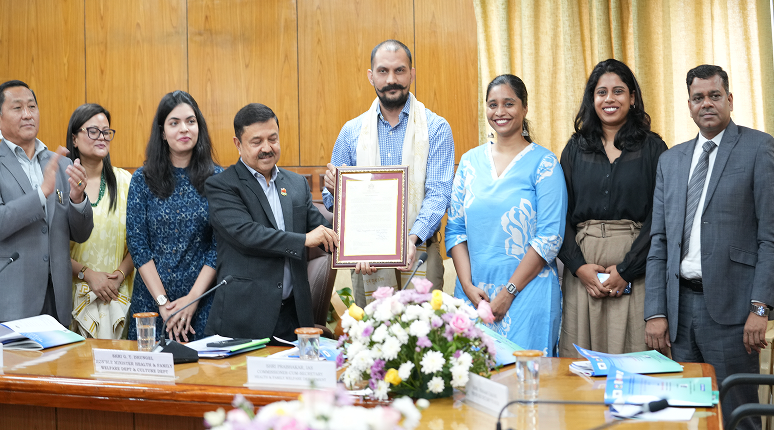
Sikkim Integrated Service Provision and Innovation for Reviving Economies (INSPIRES) is a flagship initiative of the Government of Sikkim (GoS), supported by the WorldBank. CMHLP carried out a series of scoping activities to understand Sikkim’s mental health landscape, identify priority areas and policy recommendations to develop a mental health and suicide prevention strategy for the state.
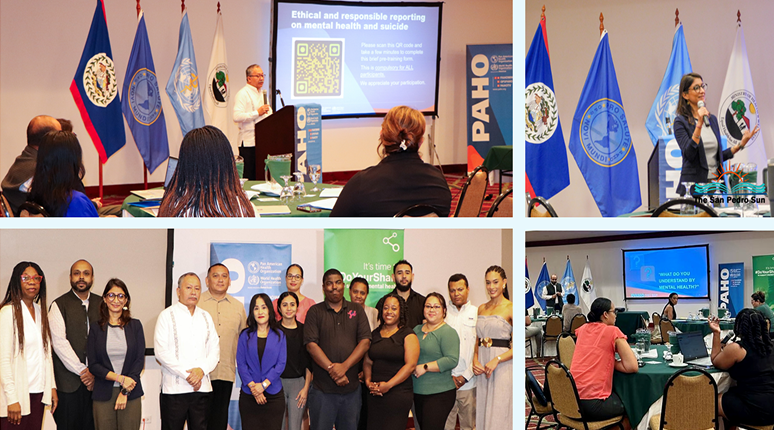
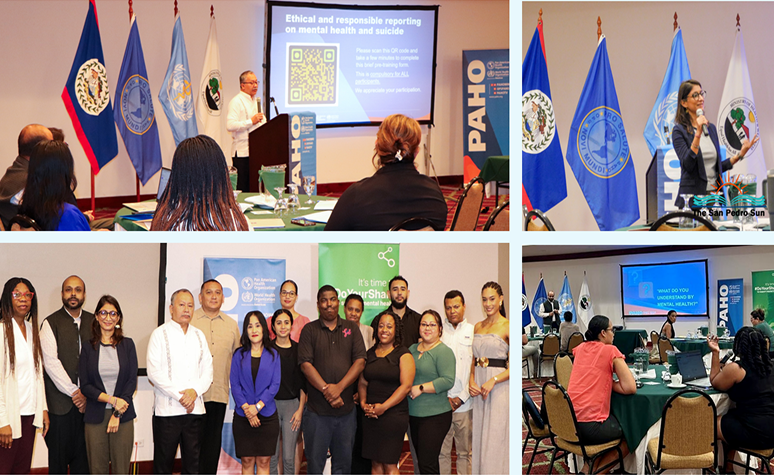
In Belize city we trained media stakeholders on Ethical and Responsible Reporting on Mental Health and Suicide. This was in collaboration with the Pan American Health Organization (PAHO) and brought together TV reporters, print journalists, radio hosts, digital and social media influencers, and government public relations officers, among others. Our team also assisted the Ministry of Health and Wellness in co-developing a Monitoring and Evaluation Framework to support the implementation and institutionalisation of ethical suicide reporting practices.
Five years of the Keshav Desiraju IMHO
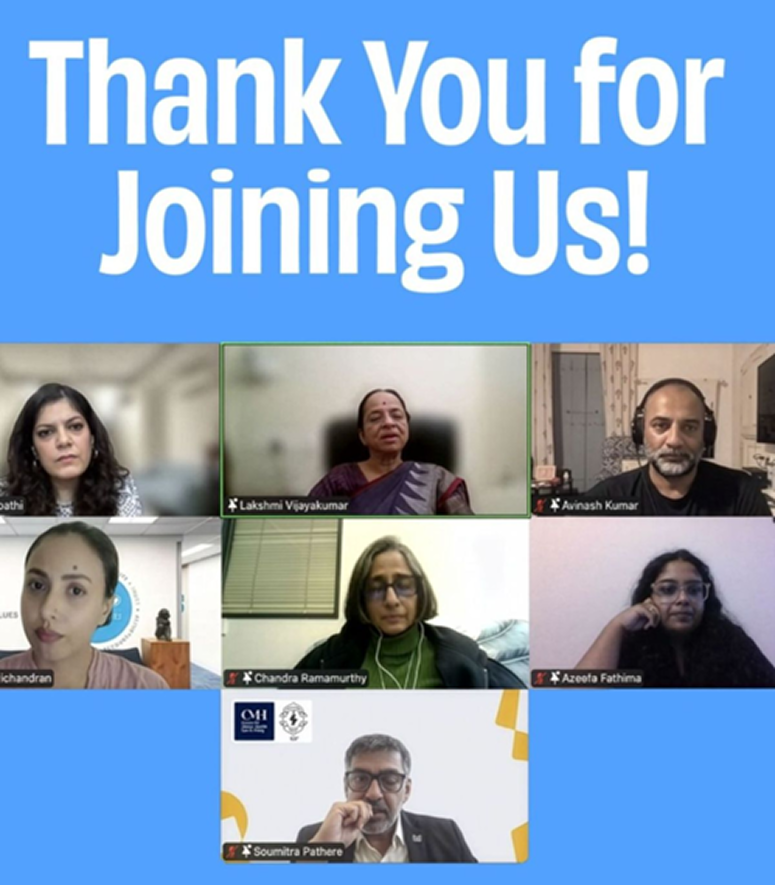
Over five years, the Keshav Desiraju India Mental Health Observatory has worked in collaboration with governments, development agencies and communities to strengthen and promote evidence-based policymaking and to bridge systemic gaps for advancing mental health in India. Since 2020, the team has generated data and research and informed policy for mental health and suicide prevention at the international, national and sub-national levels. Watch this film that commemorates five years of our journey
Read more
YASP the film—Youth voices are central to suicide prevention
This short film captures the journey of Outlive’s Youth Action for Suicide Prevention (YASP) Fellowship and how young people are leading action for youth suicide prevention in their communities across tier-1 and tier-2 cities in India. The film highlights the work of the YASP Fellows and the importance of youth-led approaches in addressing systemic factors affecting young people’s mental health and suicide prevention. They share their journey and experiences of engaging with their communities and policymakers.
We have created a report and a Quick Guide to capture key insights and resources on how to engage with policymakers
Explore the YASP Fellowship report and a Quick Guide to capture key insights and resources on how to engage with policymakers.
Read more
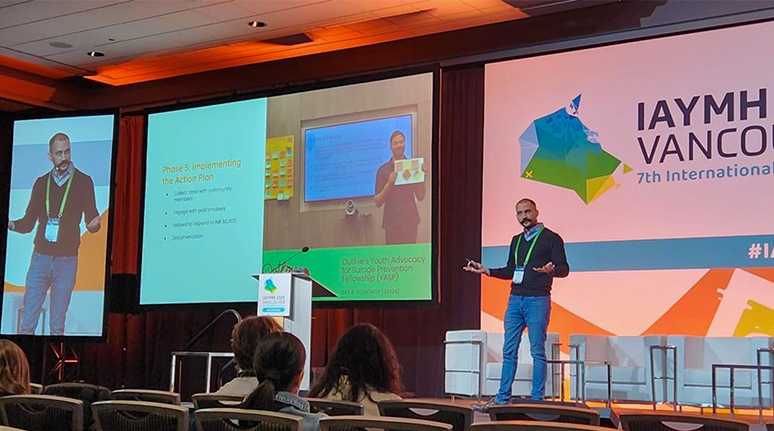
Outlive was showcased at the 7th International Association for Youth Mental Health (IAYMH) Conference (18-21 March 2025, Vancouver), where a workshop was co-facilitated on Global Improvements: How to Adapt Global Policies to Local Communities, exploring strategies to engage policymakers in translating youth mental health policies into real-world impact. Outlive’s Youth Action for Suicide Prevention (YASP) Fellowship was also presented in a symposium on Youth Mental Health in Underserved Contexts, emphasising how the program trains and mentors youth leaders to drive policy processes for youth suicide prevention.
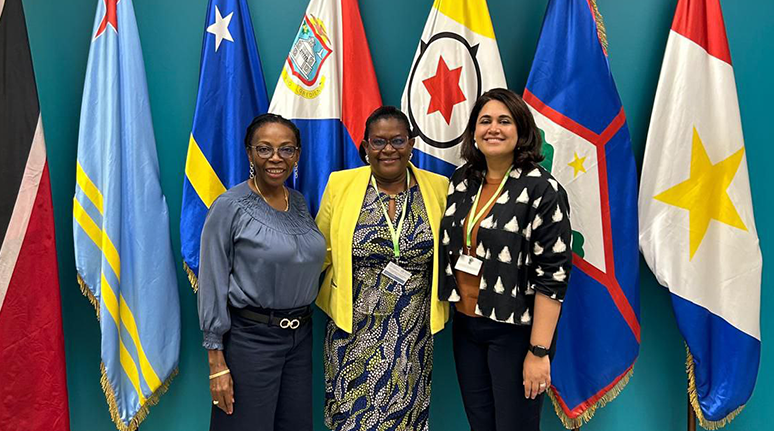
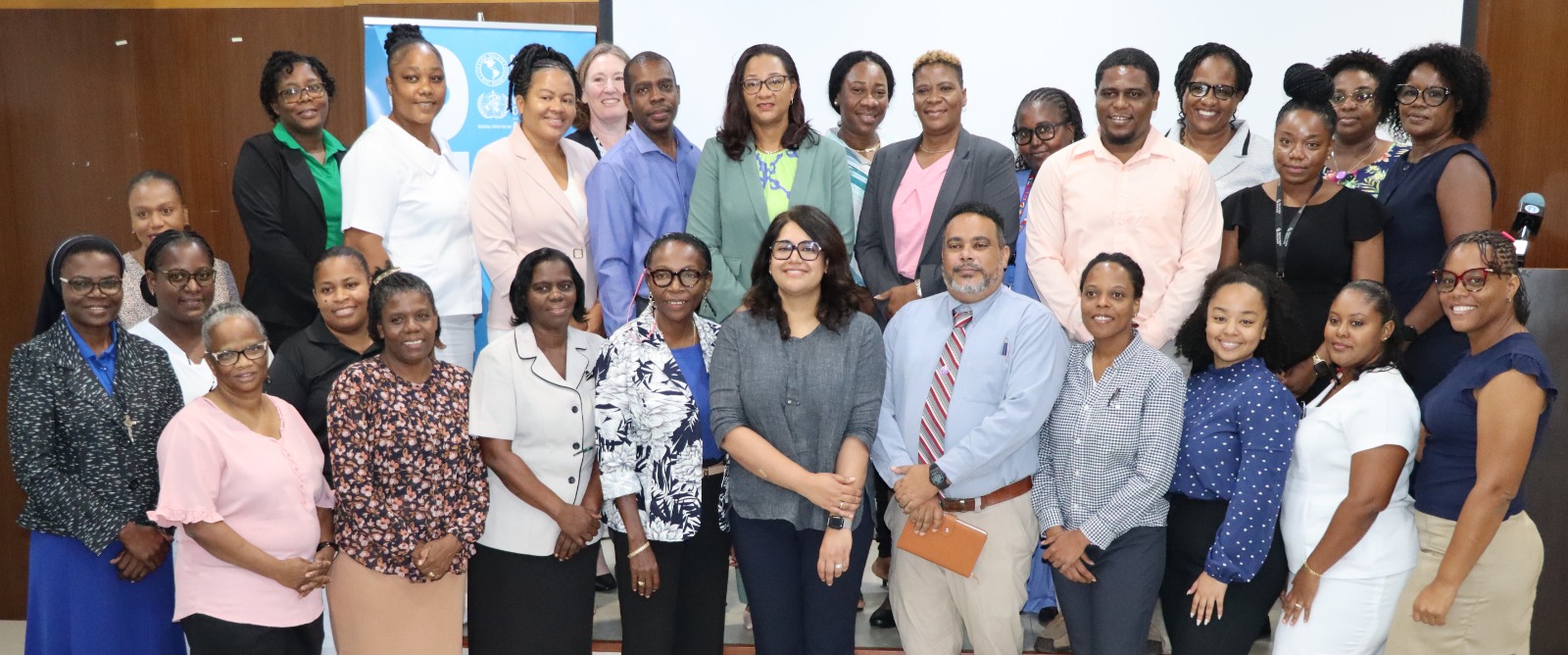
The Ministry of Health and the WHO Pan American Health Organization (PAHO) Trinidad and Tobago country office hosted the WHO Quality Rights Train-the-Trainer Workshop from 17-21 February’25.
Attended by over 30 mental health professionals from the Ministry of Health, five Regional Health Authorities, and NGOs, brought a paradigm shift towards a rights and recovery-based mental health care. Jasmine Kalha, our Co-Director and Senior Research Fellow, and Dr Claudina Cayetano, PAHO Consultant, conducted the training.
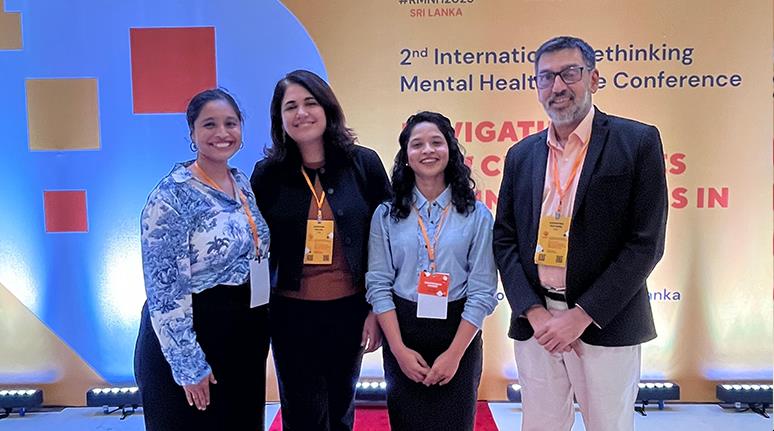
On 27 and 28 February 2025, team members Dr Soumitra Pathare, Director, Jasmine Kalha, Program Director and Senior Research Fellow, Chetana Iyer, Project Manager & Research Coordinator and Swetha Ranganathan, Project Manager & Research Coordinator, attended the Rethinking Mental Health Care: Navigating New Challenges and Innovations in the Digital Age conference in Colombo, Sri Lanka. The team presented learnings and experiences across various projects at the Centre.
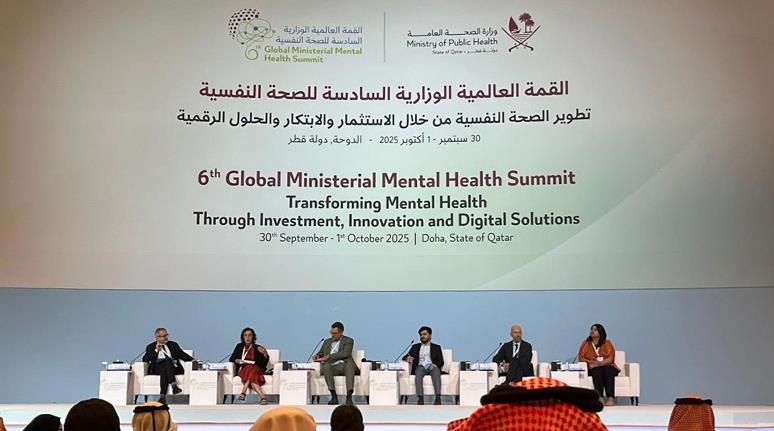
We were privileged to be a part of the 6th Global Ministerial Mental Health Summit, Doha in 2025. The theme was Transforming Mental Health through Investment, Innovation and Digital Solutions. Our Co-Director, Senior Research Fellow, Jasmine Kalha, presented at the summit at various forums. Her session focused on the need for a rights-based approach to mental health law and policy, shared insights on the benefits and challenges of using an inter-sectoral and intersectional approach in practice. She presented Atmiyata at the workshop on Building Momentum to Increase Access and Scale-Up Mental Health Services. The discussion shared learnings from scaling-up the intervention from 40 villages in 1 State to 4500 villages in 7 States in India over the past ten years and reflections on various scaling pathways.
On 1st October, 2025, at the 6th Global Ministerial Mental Health Summit in Qatar, Jasmine Kalha, co-lead, presented a talk on “Scaling Atmiyata: Enabling Access to Mental Health and Social Care in Communities.” The session was part of the workshop series on “Building Momentum to Increase Access and Scale-Up Mental Health Services.” The workshop series aimed to address the mental health treatment gap by exploring scalable delivery mechanisms, with a focus on strengthening the mental health workforce and promoting community-based mental health models. The presentation highlighted how Atmiyata is expanding access to mental health and social care in underserved communities through a community-led approach.
Projects delivered
worked on over 15 new projects
States or regions covered
worked across 13 States and 10 Countries
People reached
reached 34000+ people across low-and-middle income settings
Key partnerships
Key partnerships is 16 new partners
Key areas of work
Policy & Advocacy (Global)
Technical Consultations for PAHO in the Caribbean
The CMHLP team, led by Dr Soumitra Pathare, continues to work in close partnership with Pan American Health Organization to advance mental health reform in Antigua and Barbuda. Dr Soumitra served as a technical advisor in drafting the country’s new mental health legislation, ensuring it is rooted in human rights and patient-centred care. During this mission, PAHO’s consultants also questioned plans for a standalone psychiatric facility at Sea View Farm, advocating instead for integrated mental health services in general health care settings. Dr Soumitra Pathare highlighted that standalone institutions are costly and less effective, whereas embedding mental health into primary care reduces stigma and broadens access. Read the news coverage here.
- PAHO advances mental health reform in Antigua and Barbuda
- PM Browne Reconsiders Plan for Sea View Farm Wellness Facility
Dr Soumitra also participated in a radio interview with Pointe FM 99.1 alongside Gaston Alphonso Browne, Prime Minister of Antigua. The discussion centred on exchanging ideas and commitments to drive policy change in how people with mental health conditions are treated. The focus was on reducing stigma and promoting holistic living options beyond institutional care.
Strengthening Police Response to Mental Health in Belize City
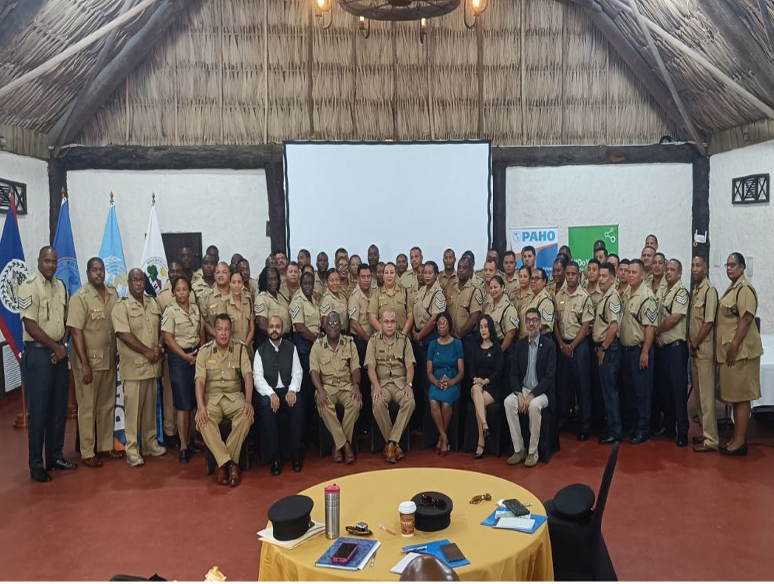
From 10 to 13 June 2025, we conducted a four-day Training of Trainers (ToT) workshop designed to strengthen the Belize Police Department’s response to mental health crises. Organised in collaboration with the Pan American Health Organization (PAHO), World Health Organization (WHO), Ministry of Health and Wellness in Belize, and the Belize Police Department, the workshop brought together 65–70 police trainers for capacity-building in evidence-based mental health practices. Participants were introduced to the revised Police Mental Health Manual, originally published in 2007 and now updated to include current best practices in understanding mental health, suicide prevention, and psychosocial well-being.
The workshop was facilitated by PAHO consultants Dr Soumitra Pathare, Director, and Dr Nikhil Jain, Program Lead and Research Fellow, from the CMHLP. Through interactive sessions and skill-based learning, the workshop aimed to build internal capacity within the police force to respond effectively to mental health needs in the community.
Media Engagement, Belize
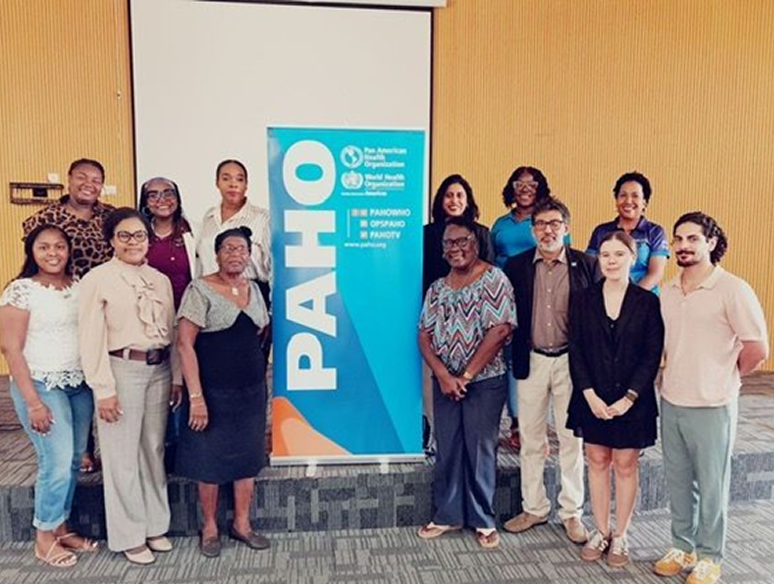
In May 2025, Meera Damji, Program Director – Media Research & Advocacy and Nikhil Jain, Program Director & Research Fellow, visited Belize City to train media stakeholders on Ethical and Responsible Reporting on Mental Health and Suicide.
The training workshop was organised in collaboration with the Pan American Health Organization (PAHO) and brought together TV reporters, print journalists, radio hosts, digital and social media influencers, and government public relations officers, among others.
Our team also assisted the Ministry of Health and Wellness in co-developing a Monitoring and Evaluation Framework to support the implementation and institutionalisation of ethical suicide reporting practices. Read more, here: Belizean journalists receive training on how to report on mental health issues and suicide.
Public Engagement Campaign for Mental Health Reform, Barbados
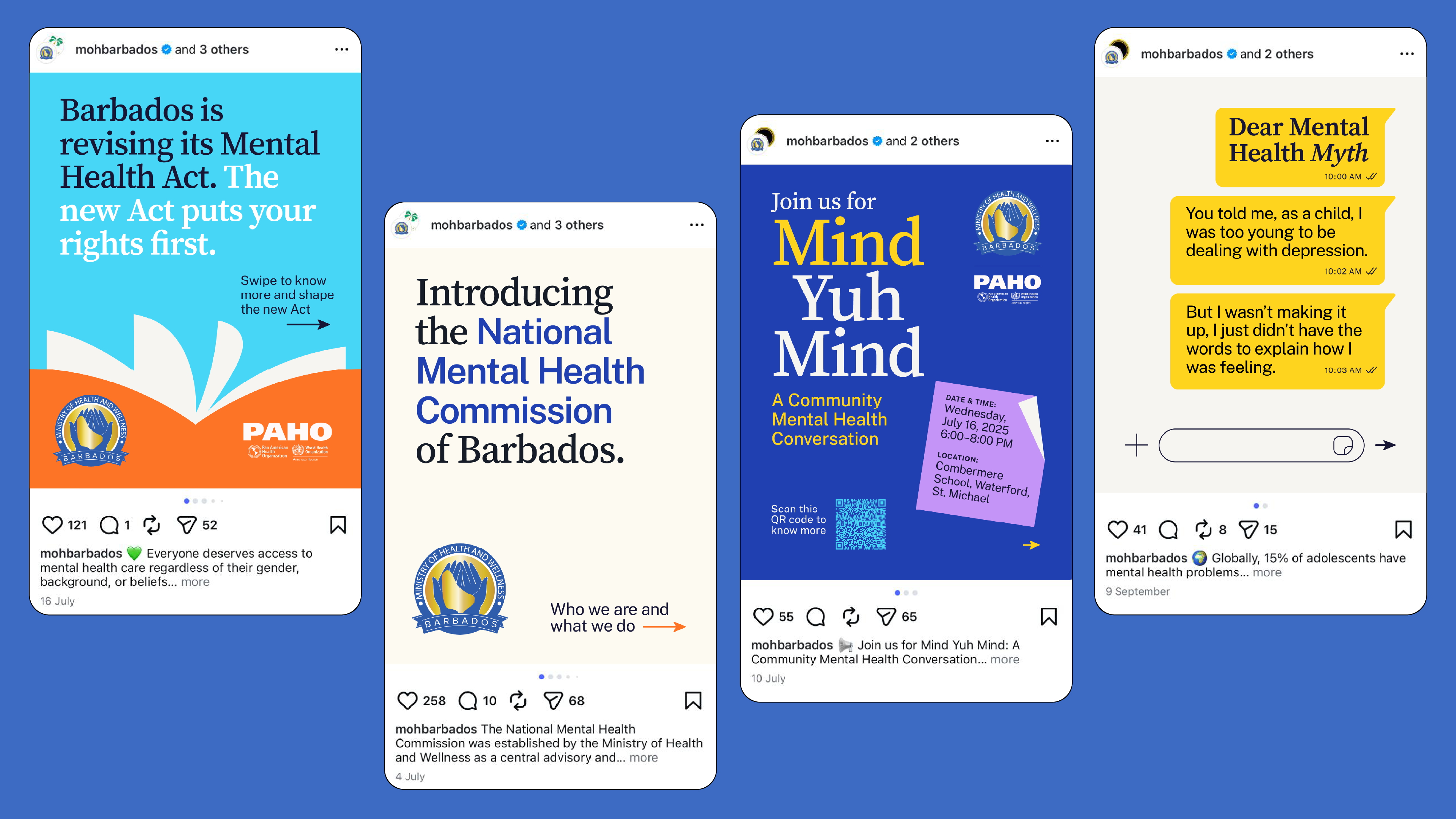
From May to October 2025, our team provided technical assistance to the National Mental Health Commission and the Ministry of Health and Wellness, Government of Barbados, to develop and implement a comprehensive communication strategy and plan. The initiative aimed to encourage public dialogue on mental health and related legislative reform in the country. Guided by the communication strategy, the public engagement campaign used a mix of traditional and social media, alongside on-ground activities, to reach audiences through platforms and settings they frequently used and trusted. The engagement led to meaningful community conversations on mental health and generated valuable feedback on proposed legislative changes.
We are delighted to have collaborated with the Pan American Health Organization, Office for the Eastern Caribbean Countries (PAHO ECC), on this initiative.
Policy & Advocacy (National)
Sikkim Integrated Service Provision and Innovation for Reviving Economies (INSPIRES)
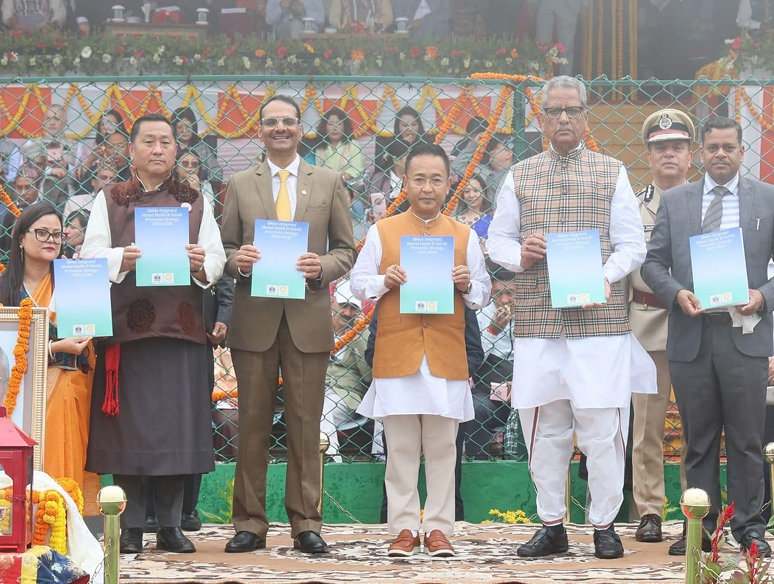
CMHLP’s team was felicitated by the Hon’ble Minister of Health & Family Welfare, Shri G T Dhungel and Rohini Pradhan, SCS, Program Director, Sikkim INSPIRES and Additional Secretary, Planning & Development Department. The CMHLP team was also presented with a framed letter of appreciation from the Hon’ble Chief Minister, Shri Prem Singh Tamang (Golay) for expressing gratitude for CMHLP’s technical support and expertise in shaping the strategy. Additionally, the team had a chance to meet and discuss the implementation of the strategy with Shri Ravindra Telang, IAS, Chief Secretary, Government of Sikkim.
The Centre for Mental Health Law & Policy, Indian Law Society (CMHLP, ILS) has signed a Memorandum of Understanding (MoU) with the Government of Sikkim (GoS). This MoU formalises a collaboration between CMHLP, ILS and GoS to strengthen mental healthcare service delivery and suicide prevention in Sikkim. Read the strategy and report
Read the strategy Report and Guide
Review of adolescent health services in Sikkim
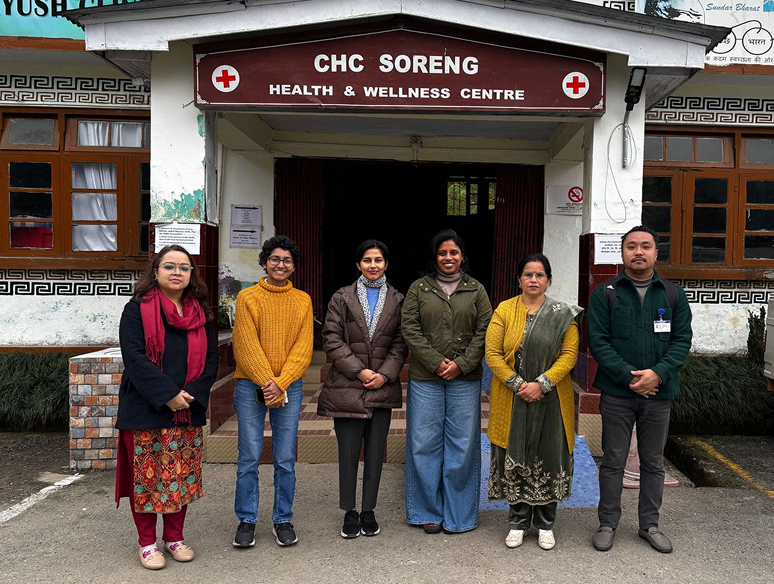
The Keshav Desiraju IMHO team was in Sikkim from 5-11 March to review the Adolescent Friendly Health Clinics (AFHCs), a mandate under Rashtriya Kishor Swasthya Karyakram (RKSK). We visited health centres in Soreng, Sang and Gangtok to assess the availability of engagement with adolescent health services. We also organized FGDs with young people (including a group staying in a rehabilitation facility and peer educators at schools) parents and teachers to gauge their awareness and aspirations for adolescent friendly services. A report will be submitted to the Sikkim Inspires project with recommendations to strengthen the impact of AFHCs.
UNESCO Consultation
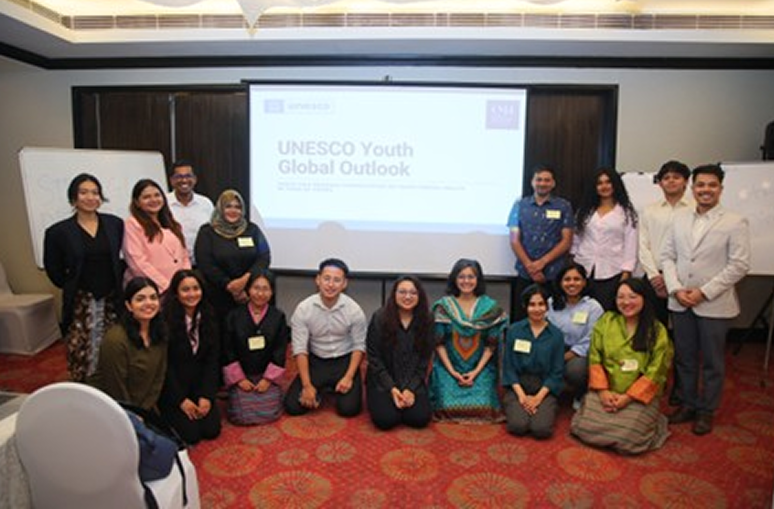
In collaboration with the UNESCO, Keshav Desiraju IMHO convened a Regional Consultation in Chennai on youth mental health and climate change in the South Asia region as part of UNESCO’s Global Youth Outlook: Youth Mental Health in Times of Crises initiative. Participants of the consultation included youth representatives from Bhutan, India, Maldives, Nepal, and Sri Lanka climate activists, individuals with experience in the mental health field, and individuals with lived experience of a climate crisis. Rich insights emerged on the effects of climate change on the mental health of youth and discussions on resilience strategies. The insights were compiled into a comprehensive report and submitted to UNESCO.
Launch of the second iteration of MHCA Implementation Tracker
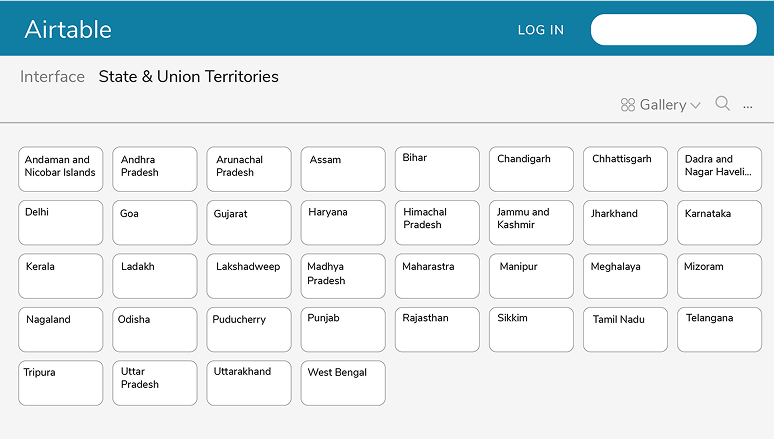
The Mental Healthcare Act, 2017 Implementation Tracker (MHCA Tracker) developed by the Keshav Desiraju India Mental Health Observatory has gone through a major upgrade. The Tracker analyses the implementation of the Mental Healthcare Act, 2017 at the National and at the State & Union Territories levels. This revamped version covers major content updates since 2022 and an interactive, easier to navigate interface. The data available in the Tracker has been sourced from government orders and notifications, meeting notes of the State Mental Health Authorities, credible news articles, and through information from individuals and organisations working in the mental health sector. The aim of the Tracker is to make this information easily available to policymakers, civil society organisations, journalists, and other relevant stakeholders.
Access the details for the MHCA Tracker here.
Implementation
DBA Fellowship
We have undertaken a scoping exercise to understand mental health career pathways for the Dalit Bahujan Adivasi community from March’25 to October’25. During this process, we spoke with youth from DBA community, conducted site visits to DBA-led organisations, carried out external consultations with informal DBA-led groups, DBA-led organisations working in the development sector, and organisations that work for the DBA community and have anti-caste and anti-discrimination policies and lastly, we did a half – day consultation with CMHLP internal team including research staff. Through these stakeholders meetings, we learned that there is a strong need to strengthen access to skills, exposure, and opportunities for learning, structured capacity-building and hands-on experience. Overall, the process reinforced that building career pathways requires organisations to actively strengthen inclusive policies. As an output of this process, we have written a learning paper; we have developed a fellowship proposal to build career pathways for youth from DBA community; and the proposal to build the inclusive culture at the CMHLP.
UNICEF CCI Project
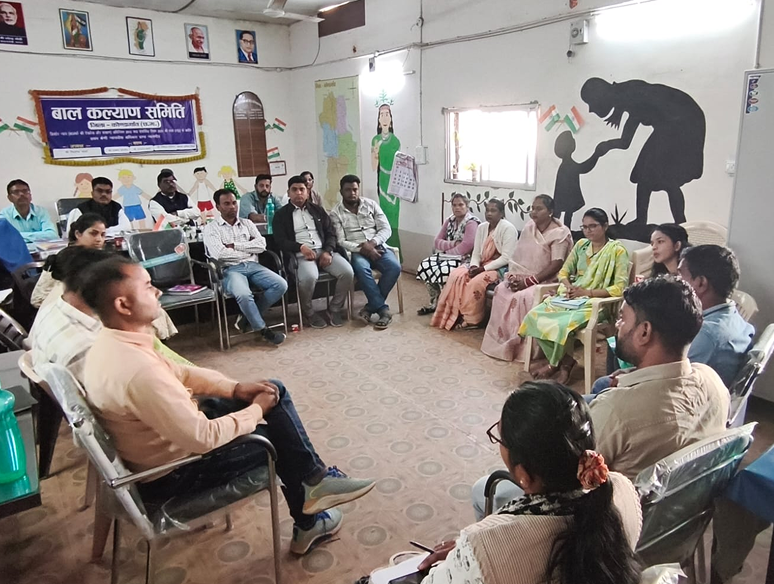
For the project titled, ‘Capacity Building of Service Providers, Caregivers & Child Protection Functionaries for Integrating MHPSS in Child Protection Systems in India’, the team conducted online and offline consultations with child protection functionaries, community-based organisations and adolescents in children’s homes in Nashik, Maharashtra. The consultations used a range of methods such as interviews, focus group discussions (FGDs), and arts-based activities to understand the experiences and capacity-building needs of stakeholders working within the child protection systems.
The team completed consultations with stakeholders in the child protection systems and those working with children from tribal regions in Nashik, Maharashtra and Dhamtari and Kondagaon in Chhattisgarh. The consultation focussed on the mental health and psychosocial support (MHPSS) needs and challenges in the institutions, existing service delivery pathways and ways of strengthening the same.
Capacity building and training
CMHLP Learn
Postgraduate Diploma in International Mental Health, Law, Policy & Rights-based Services had its 15th batch in 2025. We continue to have this diploma which has now taught 169 students over 16 batches across 64 different nationalities creating a wide impact in the social sector.
In 2025 we had two batches of the Atmiyata course and 1 batch of the Gatekeeper training. These courses continue to operate twice a year. This year we trained over 50 students collectively across 2 course and 3 batches. We will continue to scale this yearly and increase mental health and suicide prevention awareness around these online programs.
Read more
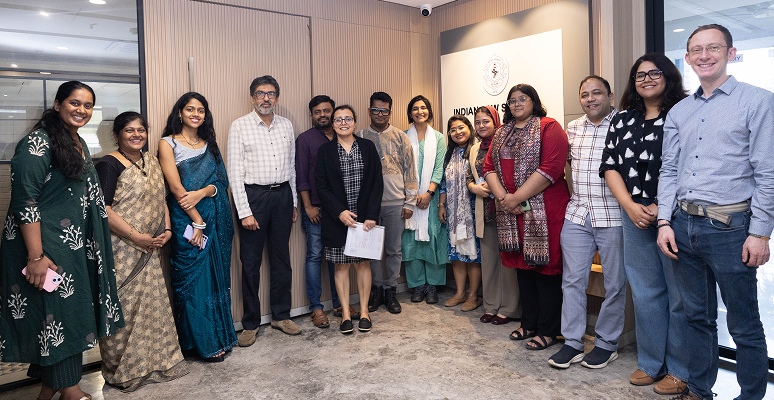
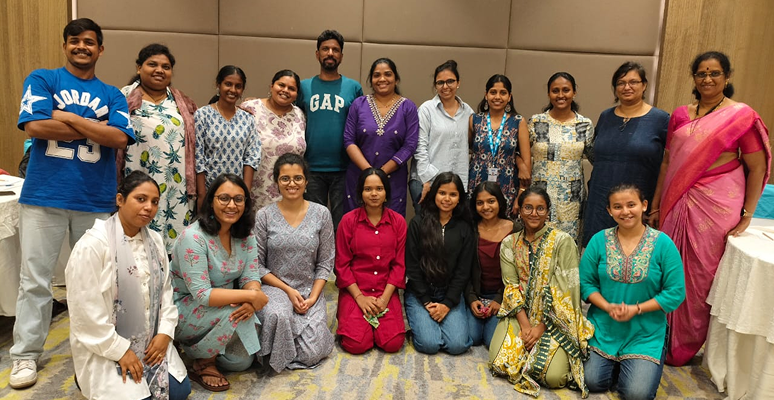
In the second year of the EMpower project, we took a journey to assimilate knowledge and learning skills with 10 partner organisations from Pune and Mumbai. We trained them with Atmiyata on Youth Mental Health and the Gatekeeper training on Suicide Prevention. We’re pleased to share that 4 organisations have already begun facilitating the training within their teams.
EMpower
Youth Mental Health Training: As part of our collaboration with EMpower, we conducted the Atmiyata Youth Mental Health training from 26 to 30 May. Twenty-one trainees from ten EMpower partner organisations participated, including six youth between the ages of 18 and 25. They shared that they felt more equipped to support the mental health needs of youth in their communities.
Sensitisation Workshops on Mental Health and Suicide Prevention at IIT Kanpur, November 2025
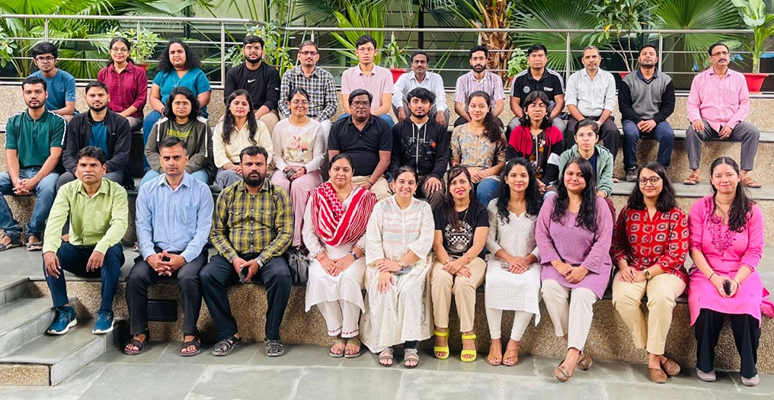
On November 1st and 2nd, CMHLP Learn organised Sensitisation Workshops on Mental Health and Suicide Prevention for four groups of students, faculty, admin and non-teaching staff at the Indian Institute of Technology (IIT) Kanpur. The workshop sessions focused on building perspectives on mental health and suicide prevention, debunking myths on mental health and suicide, and provided an overview on how to support oneself and/or others in times of distress.
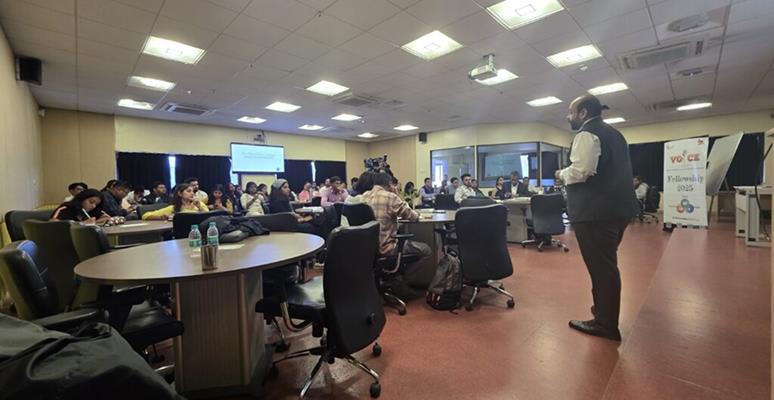
VOICE Fellowship Session: Climate and Mental Health
On December 18, 2025, CMHLP contributed to the inaugural VOICE Fellowship workshop hosted by the CARE Project at IISER Pune. Dr Nikhil Jain, Program Director and Research Fellow at CMHLP, led a session on the intersection of climate change and mental health. The fellowship brings together over 40 grassroots journalists and storytellers from tier-2 and tier-3 cities and rural India, strengthening capacity to report on climate-related mental health impacts.
Community-based interventions—Atmiyata

Atmiyata’s growing impact: Locally and globally
This year marked major milestones for Atmiyata, driven by partnerships that supported both scale and innovation. With the support of the Ambuja Foundation, Atmiyata expanded from 114 villages across 4 states to 2,093 villages in 9 states, significantly widening access to community-led mental health care.
Over the past year, we worked with organisations across diverse geographies and communities, signing partnerships with 4 new organisations, supporting 3 organisations with training and capacity building, visiting 8 organisations, and undertaking 10 scoping visits. Looking ahead, we are thrilled to take Atmiyata to new regions, including the North East and South West of India.
Atmiyata Mega Event: Celebrating Champions
On November 30th and December 7th, we hosted Atmiyata mega events in Sabarkantha and Patan districts of Gujarat. The event celebrated Atmiyata Champions and the growth of the intervention, hosting a total of 1352 Champions across 1232 villages. Key stakeholders from the Women and Child Development Department and local representatives also joined the event, reinforcing the growing support for community mental health work. Read more
Youth Mental health—Outlive
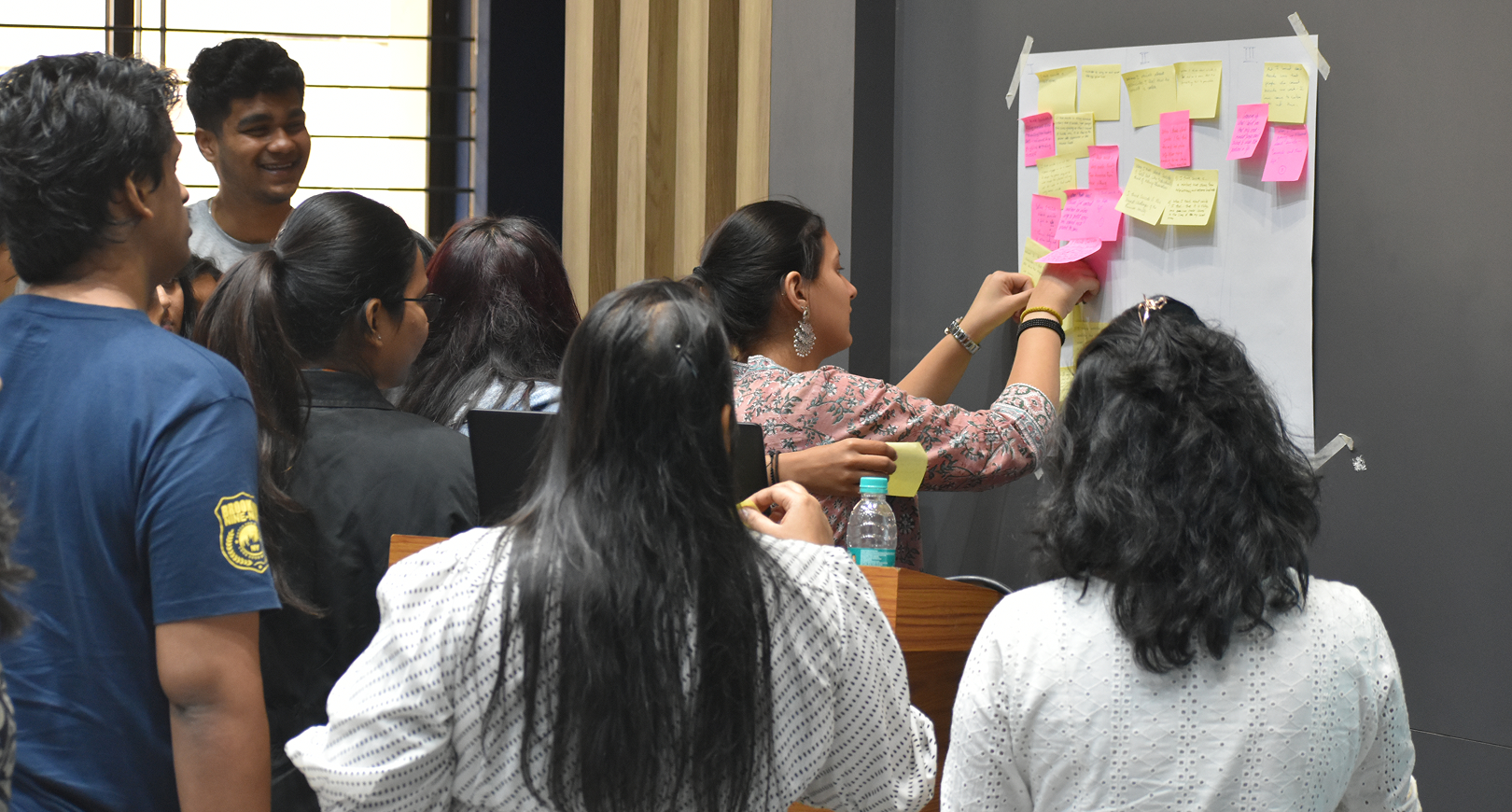
In 2025, Outlive provided support to over 800 young people experiencing distress and continued to strengthen its role in youth suicide prevention. The intervention was recognised as a good practice example in the WHO–UNICEF Youth Mental Health Service Guidance. Over the year, Outlive deepened and expanded key partnerships. Support from the Murty Trust enabled further scaling of Outlive’s work with young people aged 18–24. We partnered with The Live Love Laugh Foundation and Youth for Mental Health as youth engagement collaborators to further scale up reach
Outlive’s work was also shared across national and international platforms,
including the Rethinking Mental Health Care conference organised by the Federation Global Initiative
on Psychiatry and Global Initiative on Psychiatry Sri Lanka, and the National Conference on Suicide
Prevention organised by Anjali in Kolkata.
Read more
Suicide Prevention
STRIDE
STRIDE completed a series of hybrid expert consultation workshops with academics, civil society representatives and law enforcement stakeholders in Bhubaneswar and Cuttack. The consultations focused on strengthening training content to support the role of law enforcement personnel as first responders in suicide prevention.
In September, STRIDE launched the first phase of its capacity-building, a three-day training attended by law enforcement personnel from Odisha across three ranks. The training focused on practical, dignity-centred responses to suicide-related situations and strengthening law enforcement engagement in suicide prevention.
Read more
CASP
CASP team continues to build on the research and evidence for the program by conducting in-depth interviews with individuals with a history of suicide attempts in the control
districts of Balodabazar and Mungeli, Chhattisgarh, to understand risk factors, support received, current well-being and protective factors. The team also carried out interviews with Community
Healthcare Officers in the intervention districts of Rajnandgaon and Balod, focusing on their experiences with CASP training, safety planning and the integration of CASP into community health settings.
Read more
ENGAGE: Enabling Teachers as Gatekeepers for Preventing Adolescent Suicides
Between the months of December ‘24 and February, we collected data from all high school and higher secondary school teachers in the districts of Raigarh, Janjgir Champa, Korba and Durg, Chhattisgarh on the number of adolescents they have identified, provided emotional support to, made a referral, and followed up with. As of 3rd March 2025, 4717 out of 6503 teachers (72%) have completed the data collection form.
The ENGAGE Refresher Module was available to teachers on the DIKSHA platform in the two intervention districts of Raigarh and Korba from February to June 2025. A total of 986 teachers out of the 3668 teachers (around 27%) completed the ENGAGE Refresher Module.
Read more
SPIRIT: Suicide Prevention and Implementation Research Initiative
SPIRIT held a district-level dissemination meeting in Mehsana, Gujarat, bringing together district officials and MLAs to share findings from its community-based suicide prevention work and discuss sustainability and scale-up through local systems.
To strengthen frontline capacity, SPIRIT Community Mobilizers also conducted refresher trainings for Community Health Workers, reinforcing skills, confidence, and consistent community-level responses.
Read more
10K2zero
In September, to mark World Suicide Prevention Day, we launched our new initiative 10K2Zero, focused on child suicide prevention in collaboration with Quicksand. 10K2Zero initiative is a collaborative effort to work towards ending deaths by suicide among children below the age of 18. Greater attention and support to young people at this vulnerable age can make a life-saving difference. Read more here
Key pillars of the initiative would be:
Research and knowledge: The collective will develop into a primary data source on this issue. In addition to outputs based on research, the collective will build the capacity to act as a grant-making body, securing block funding and running research calls.
Policy and advocacy: The collective aims to influence policymakers at the local, state and central levels. Regular policy briefs with clear, evidence-based recommendations will be released.
Interventions and tools: The initiative will also include developing and adapting interventions and tools. As an example, we want to train all 10 million teachers in gate-keeper training for suicide prevention, develop a game for parenting skills, and create resources for adolescents on handling emotions.
Read more here
Flagship Projects
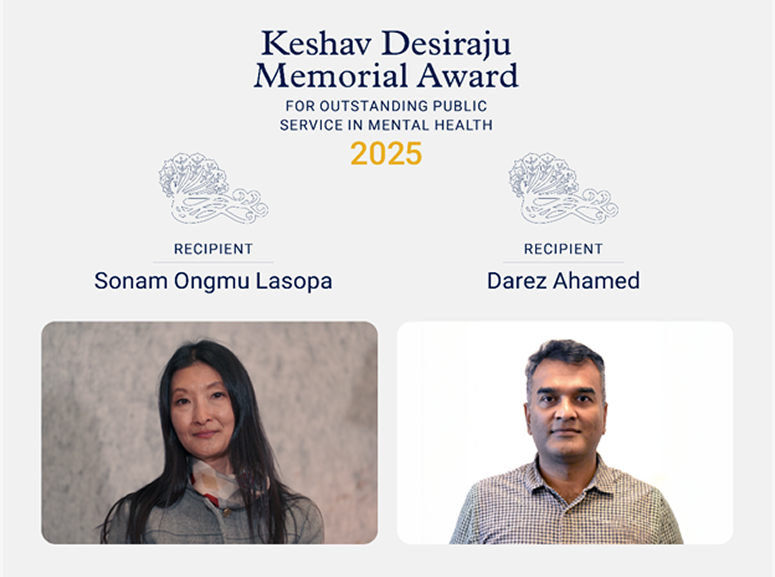
Keshav Desiraju Memorial Award for Outstanding Public Service in Mental Health, 2025
The 4th Keshav Desiraju Memorial Award for Outstanding Public Service in Mental Health, 2025, was announced on 11 May 2025 during a virtual ceremony commemorating Mr Keshav Desiraju’s birth anniversary. This year, the award recognised two recipients — Ms Sonam Ongmu Lasopa for her valuable contributions to advancing mental health in Sikkim and Dr Darez Ahamed for his visionary leadership and systemic reforms that have significantly strengthened mental health care in Tamil Nadu.
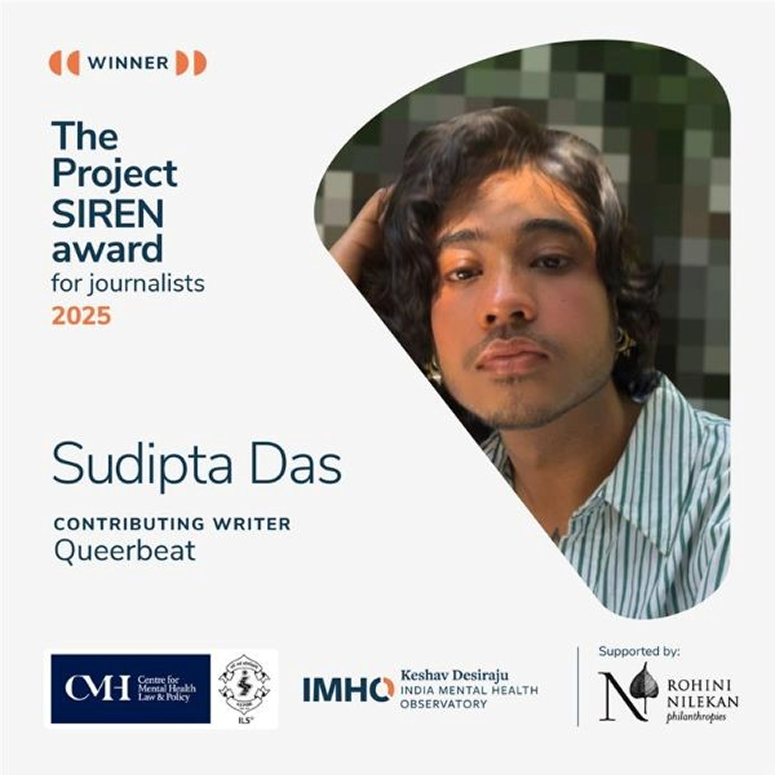
Project SIREN Award Winner 2025
The Keshav Desiraju IMHO announced the Project SIREN Award for Journalists 2025 in September. The award was presented to Sudipta Das (they/them), contributing writer at Queerbeat, for their article How chronic illness and neurodivergence shaped a queer love story, recognised for sensitive and responsible reporting on suicide. To learn more about the award, click here.
Knowledge & Learning
Thoughtleadership
- Tracking the Mental Healthcare Act, 2017 – 7 years on
- Takeaways from the NCRB data on suicide for 2023: What has Changed?
- Video Interview with Soumitra our founder on his work with PAHO in the Caribbean
- Antigua Observer article
- Navigating data privacy in India and its emerging intersection with mental health
- The Wire: Mental health funding in India: when economic surveys and budget realities diverge
- Voices from South Asia: The impact of climate change on youth mental health
- Unpacking India’s District Mental Health Programme
- A Blog on Mental health funding in India: when economic surveys and budget realities diverge
- Living with the grief of losing a loved one, and a simple support model in rural India that is addressing suicide
- Building Mental Health Capacity in India
- Know Your Mental Health Rights in India: Understanding the Mental Healthcare Act, 2017
- Sikkim Report
- Sikkim Guide
- Tackling India’s mental health crisis in the wake of climate disasters
- The state of public health insurance for mental health – examining PMJAY claims across India
- Project SIREN award 2025: calling for responsible reporting on suicides
- Beyond the law: Why mental health insurance in India falls short
- Parity in health insurance coverage for mental illness: Addressing non-compliance with Mental Healthcare Act, 2017
- There Is a Suicide Crisis Amongst India’s Youth And Elderly
- Why More Children in India are Dying by Suicide: A Deeper Look
- Suicides in the population below 18 years of age
- The Power of Peer Support: How Talking to Someone Who Understands Can Make a Difference in Reducing Distress and Preventing Youth Suicides
- 10KtoZERO: Concept note
- PMJAY for mental health
Looking Ahead
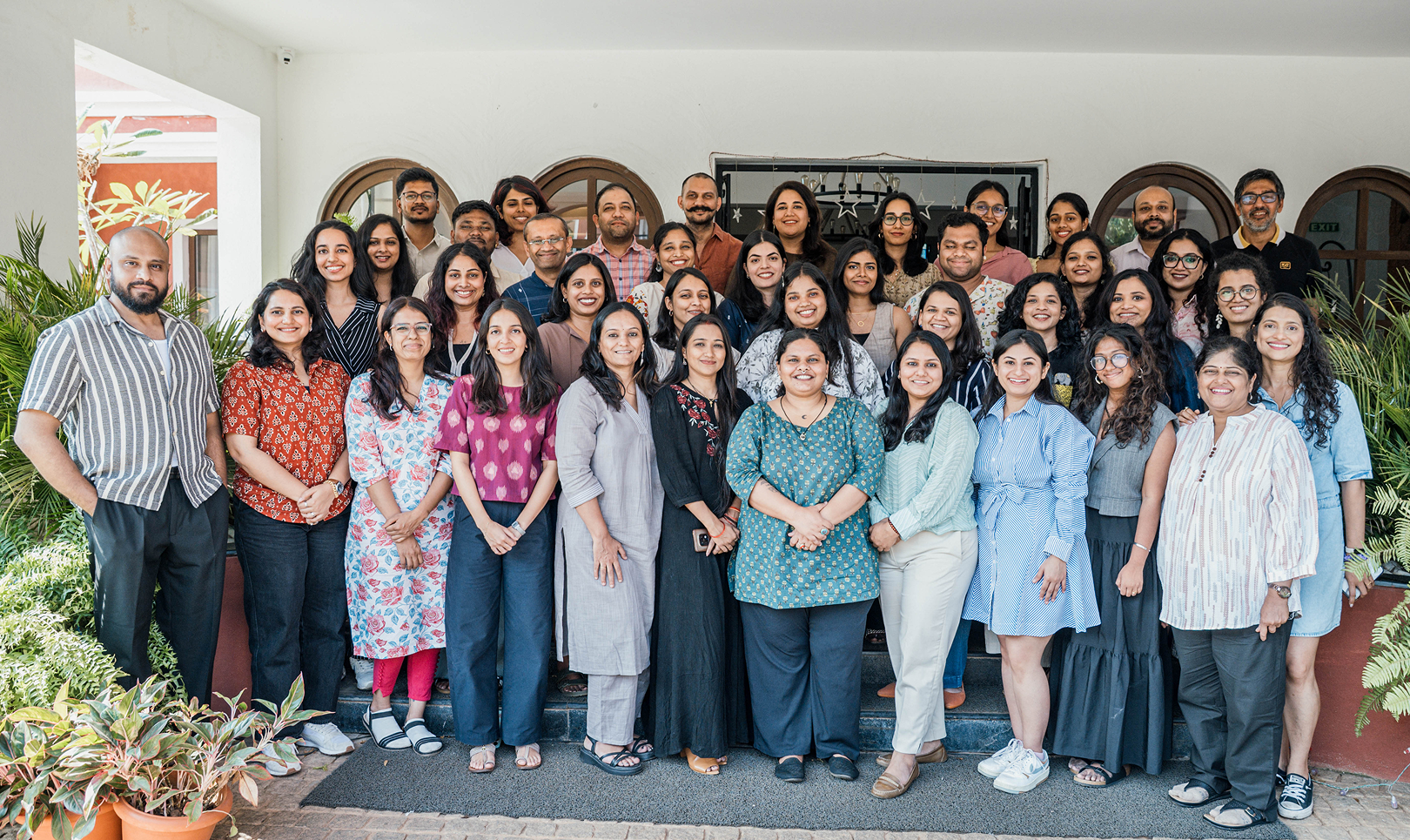
In 2026, we will focus on deepening impact across our core pillars of work while strengthening implementation and policy engagement and reform at scale. We aim to expand our suicide prevention work across diverse demographics. We will consolidate learnings from ongoing programs, grow partnerships in priority geographies, and centre equity and community participation across initiatives. The year ahead will emphasise sustainability, evidence generation, research, and translating best practices into systems-level change. We will continue working to support underserved communities and advance equitable representation, ensuring a meaningful seat at the table in mental health rights.