Summary: This guide breaks down how young people in India can influence mental health and suicide prevention policies through the Youth Action for Suicide Prevention (YASP) Fellowship. It explains why youth suicide is a systemic issue shaped by social, economic, and community factors, and shows how young people can turn lived experience into evidence-based advocacy. The YASP Quick Guide offers practical steps—from understanding community needs to mapping relevant laws like the Mental Healthcare Act and National Suicide Prevention Strategy—so youth can engage policymakers with clarity and confidence.
A practical guide inspired by the Youth Action for Suicide Prevention (YASP) Fellowship
The YASP Quick Guide, developed by the Outlive youth suicide program at the Centre for Mental Health Law & Policy (CMHLP), offers a simple, clear way for young people to get involved in shaping policies and programs that directly impact their wellbeing and prevent youth suicides.
Suicide is a growing crisis in India, and youth are facing the brunt of it at unprecedented levels. It remains the number one cause of death among youth aged 15-29. The reason? A multitude of factors, encompassing challenges and emotions, such as identity, relationships, careers, and well-being.
It is essential to understand that suicide is a complex issue with no single cause. A young person might struggle with mental health problems, financial stress, or a family history of suicide. Within their relationships, they may face conflict, loss, or abuse, while in their community, they might experience stigma, discrimination, or a lack of social support. Broader social factors, such as poverty, unemployment, limited access to healthcare, and even climate change, can exacerbate this distress. Without timely and appropriate support, these combined pressures can make it difficult to cope and may lead someone to view suicide as the only escape from emotional pain.
While support exists, so do barriers to access support, such as stigma, financial issues, low awareness or lack of youth-centric services.
To address these systemic barriers, we must move beyond individual solutions. Most problems contributing to suicides require systemic solutions—such as creating livelihood opportunities or improving healthcare access—that can be addressed by governments through laws and policies.
The Role of Youth in Policymaking
The World Health Organization (WHO) recommends that countries develop suicide prevention strategies across various sectors, including education, social justice, and youth affairs. For example, when policymakers implement life skills training in schools, it equips adolescents with the tools to cope with challenges early on.
However, young people are often left out of these conversations. By acting as a bridge between their communities and policymakers, youth can push for unique, context-specific solutions that ensure programs actually address their diverse needs.
How to Take Action: A Step-by-Step Approach
Engaging with a policymaker can feel overwhelming, but the Youth Action for Suicide Prevention (YASP) Fellowship provides a clear roadmap to make your voice heard:
1. Understand Your Community’s Needs: Start by identifying a specific issue, for example, how domestic violence impacts young women in your community. Gather a small group of stakeholders, including peers, parents, and local organisations, to collect information on barriers to support and young people’s preferences for prevention.
2. Develop a Strategy and Connect to Existing Laws/Policies: Identify which government policies or laws are relevant to your issue. Understanding these frameworks helps you identify gaps in implementation and determine which specific government official or policymaker has the power to make a change. Some key mental health and suicide prevention laws and policies in India include:
- Mental Healthcare Act, 2017 (MHCA): A law granting every person the right to access affordable and available mental health services.
- National Mental Health Policy, 2014 (NMHP): A vision document recommending a range of psychosocial and public health actions such as life skills programs, teacher training, and the reduction of stigma.
- National Suicide Prevention Strategy, 2022 (NSPS): The government’s plan to reduce suicides by 10% by 2030 through different strategies such as stregnthening the public health system, community support and better data collection.
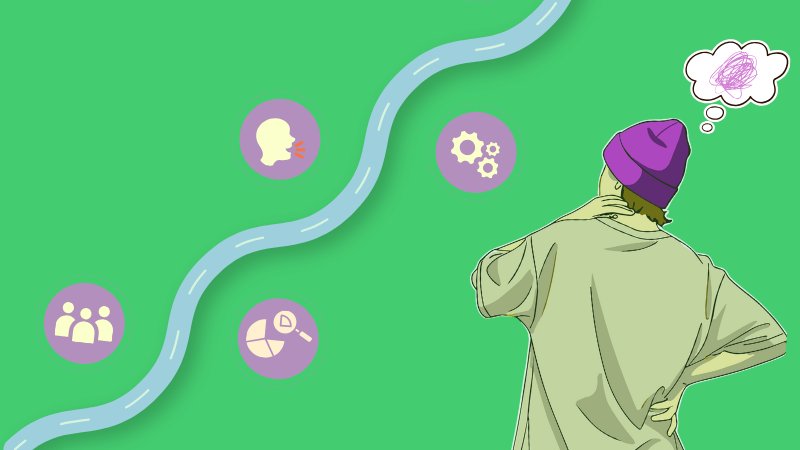
3. Use the Right Tools for Engagement: Once you have identified the problem and the potential solution, use specific tools to gather evidence and present your case.
- To engage your community: Use surveys to gather data, focus group discussions (FGDs) for deep-dives into specific themes, signature campaigns to show collective support, or stories of lived experience (videos or testimonials) to highlight impact on individuals.
- To engage policymakers: Create a youth charter (a list of community needs), submit a formal application or letter, organise a community event to invite officials into the conversation, or present short reports or policy briefs that summarise your findings and solutions.
You Are Not Alone
Youth action is ultimately about making a strong case for the solutions you and your community believe in. By turning your ideas into organised policy action, you aren't just seeking help—you are helping to build a system that ensures no young person has to face emotional pain without a safety net and support that makes a difference.
If you are a young person aged 18–24 and are feeling distressed, remember that support is available. You can reach out to Outlive Chat (chat.outlive.in) for free, confidential support from trained peer supporters.
Explore the YASP Quick Guide here: https://cmhlp.org/resources/YASP_Quick_Guide.pdf
Sources:
Centre for Mental Health Law & Policy, Indian Law Society (2025, June). Outlive’s Youth Action for Suicide Prevention Fellowship. Youth Participation in Policymaking for Suicide Prevention: Quick Guide.
Key takeaways- Suicide is Systemic: It is the leading cause of death for Indian youth (15–29) and is driven by complex interactions between individual, community, and societal factors such as poverty and unemployment.
- Youth as Bridges: Young people are essential to policy because they connect community realities with government action, ensuring programs are not “one-size-fits-all.”
- Strategic Action: Effective engagement requires identifying specific policy gaps within frameworks like the MHCA (2017) or NSPS (2022) before approaching the appropriate government authority.
- Evidence-Based Advocacy: Tools such as Youth Charters, FGDs, and Stories of Lived Experience help translate community pain into actionable data for policymakers.